
"Harar flavor"
600 article(s) found

Taste Ethiopian coffee
Ethiopia grows coffee in different climatic zones, so it has more than 140 farm varieties, and fresh coffee is produced all the year round. The quality of Ethiopian coffee varies according to different elevations and regional ecological environment. The Harar coffee in the southeast highland is a typical Muha coffee with strong aroma; the coffee produced in the southwest Wollega has a rich fruity flavor; Limu

Brief introduction of Coffee from Ethiopia
Lim G2 Ethiopia is the hometown of Arabica coffee, and you can see wild Arabica coffee in the forests of the Kaffa region. In Ethiopian, coffee is called Bun or Buna, and coffee beans (coffee bean) may be translated from Kaffa Bun. Arabica coffee has long been found in the Harald area, which is very accessible.

World Fine Coffee beans: an introduction to Harald Coffee in Eastern Ethiopia
For centuries, Harald coffee farmers, using camels, donkeys or horse-drawn carriages, risked being besieged by hyenas to the downhill port of Djibouti, and then shipped them to the Yemeni port of Moka to European countries. Harald (Harar) is 1600 meters above sea level, and the Harald Heights in eastern Ethiopia is one of the highest elevation areas for human coffee cultivation.

Ethiopian coffee plantation with unique quality and moderate pH
Harar Coffee is produced in the eastern highlands of Ethiopia. It is medium bean-shaped and large

Ethiopia, where coffee is produced Sidamo Charkiso flavor description processing method Introduction
Ethiopia where rich in coffee Sidama Shaqisuo producing area flavor description of the treatment method introduced coffee as pure as a thoroughbred horse Ethiopia in different climatic zones have coffee, so there are more than 140 farm varieties, perennial fresh coffee production. The quality of Ethiopian coffee varies according to different altitudes and geographical ecological environments. Harar in the Southeast Highlands

Ethiopian coffee beans are of high quality, very diverse flavor and shallow roast Yirgacheffe.
Boutique coffee (specialty coffee) is also called specialty coffee selection coffee. It refers to coffee made from a small number of raw beans with excellent taste grown in an ideal geographical environment. Depending on the special soil and climatic conditions in which they grow, they have outstanding flavor. After strict selection and classification, this kind of coffee is hard in texture, rich in taste and stylish.

Introduction to the description of Flavor of Ethiopian Coffee Bean by Variety treatment
Ethiopia grows coffee in different climatic zones, so it has more than 140 farm varieties, and fresh coffee is produced all the year round. The quality of Ethiopian coffee varies according to different elevations and regional ecological environment. The Harar coffee in the southeast highland is a typical Muha coffee with a strong flavor; the coffee produced in the southwest Wollega has a rich fruity flavor; Limu coffee

Introduction to the Variety characteristics of Coffee Flavor description method in Sidamo Shachisuo, Ethiopia
Sidamo coffee beans Ethiopia is the hometown of Arabica coffee, and it is in the forests of the Kaffa region that you can see wild Arabica coffee. In Ethiopian, coffee is called Bun or Buna, and coffee beans (coffeebean) may be translated from Kaffa Bun. Arabica was discovered early in Harald (Harar).

The smell of flowers and plants in Sidamo Tedder Manor Coffee Flavor Description Grind Variety Features Introduction to the region
The main coffee producing areas in Ethiopia are Harar in the east, Djimmah in the southwest and Sidamo in the south. Yirgacheffe, which has a unique aroma, comes from a small town called Yirga in the northwest of Sidamo province. Yirgacheffe is one of the most popular coffee beans

Known as "Coffee in the wilderness" and "one of the most perfect Sun Coffee"-Harald
Professional coffee knowledge exchange more coffee bean information please pay attention to the coffee workshop (Wechat official account cafe_style) "Mocha" as the world's earliest and once the largest coffee trade port, located in Yemen across the Channel of Ethiopia, Ethiopian coffee was once exported through the Yemeni port of Mocha, now the port of Mocha has dried up.

Common sense of Coffee sharing several famous Coffee varieties
Civet coffee is a recently invented coffee, produced in Indonesia, coffee beans are one of the civets' food range, but the coffee beans cannot be completely digested by the digestive system. The coffee beans are fermented in the civets' intestines and stomach and excreted by feces. The locals take out the coffee beans in the civet feces and then do the processing, that is, the so-called Kopi Luwak, this coffee tastes unique, taste not

Yerga Sherphine Kocher Manor Coffee Flavor Description Processing Variety Characteristics
In the mid-13th century, Ethiopia was already using the pan as a coffee roasting tool, leading the development of coffee culture. Harar is an ancient city with a long history and one of the four holy cities of Islam. Harar was the historical capital of Ethiopia. In the case of underdeveloped means of transportation, especially
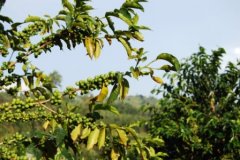
Ethiopia emphasizes fruity and floral boutique coffee
In fact, according to Ms. Knudsen, people started drinking fine coffee, but later, due to the growing demand for coffee, the discovery and use of new coffee varieties led to the decline of coffee quality. later, people even began to dislike this bad coffee and began to turn to other drinks. In this case, Ms. Knudsen's re-recognition

The only place in the world that has wild coffee, black mountain Harald coffee in Harald, Ethiopia.
Ethiopian coffee is mostly produced in the plateau above 2000 meters above sea level, with large producing areas such as Gima, Gamby, Yeerqifa, Sidamo and Harald. Among them, the region is still the only place in the world with wild coffee, which is auctioned in London every year and the auction price is astonishingly high. Harald, located in eastern Ethiopia, is an ancient building with a long history.
Test report on coffee bean cups produced in East Africa
The characteristics of good coffee produced in East Africa are so strong that coffee from other regions of the world is relatively mild, such as Kenya's super-full wine flavor and Ethiopian Yega Snow Coffee, which is full of amazing floral aromas. these are examples of this kind of strong performance, and it is almost impossible to find a coffee produced in East Africa that is mild.

Introduction to the taste characteristics of coffee from Ethiopian or Arabic flavor description
Coffee originates from Ethiopian or Arabian flavor description taste characteristics introduce that Ethiopia grows coffee in different climate zones, so it has more than 140 farm varieties, and fresh coffee is produced all the year round. The quality of Ethiopian coffee varies according to different elevations and regional ecological environment. Harar coffee in the southeast highlands is a typical Muhaka.
The name of "Yejia Xuefei": Yirgacheffe and Sidamo
As the birthplace of coffee, Ethiopian coffee is famous for its unique flavor and rich coffee gene pool. Among them, Yirgacheffe, Sidamo and Harar are the most famous. Yirgacheffe is famous for washing Yejia Sheffield, which is the most classic and wonderful coffee producing area. Unique citrus style, just

Introduction to the Origin and Flavor treatment of Ethiopian Coffee quality characteristics of Grinding scale
Ethiopian Coffee Origin Flavor treatment quality characteristics Grinding scale Origin introduction the traditional treatment method is solarization. In 1972, the first batch of washing processing plants were built in the Yirgacheffe production area. Decades ago, most coffee is now wet-processed in the western and southern regions. In general, wet-processed coffee is thought to be purer, softer and round.

Introduction to the characteristics of coffee flavor and taste of Ethiopian coffee manor with long, pointed beans
The highest grades of Ethiopian washed coffee Yega Chuefei G1 G2 Sidamo (Yirgacheffe, Sidamo) are Grade 2 and Grade 3 (G2, G3), while most of the sun-processed coffee in eastern Ethiopia are Grade 4 or Grade 5 (G4, G5). In many cases, level 4 coffee is marked as level 5 in order to reduce taxes. At present, the grading is not uniform and messy, because there is also sun processing.
A brief introduction to boutique coffee and Ethiopian coffee
Ethiopia is the hometown of Arabica coffee, and it is in the forests of Kaffa that you can see wild Arabica coffee. In Ethiopian, coffee is called Bun or Buna, and coffee beans (coffee bean) may be translated from Kaffa Bun. Arabica coffee was discovered early in the Harar area, probably from the card.